Is the truth still true?
Is the truth still true?
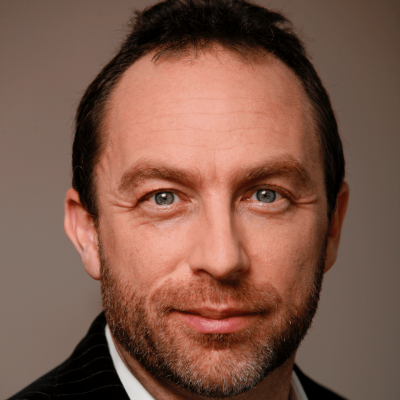


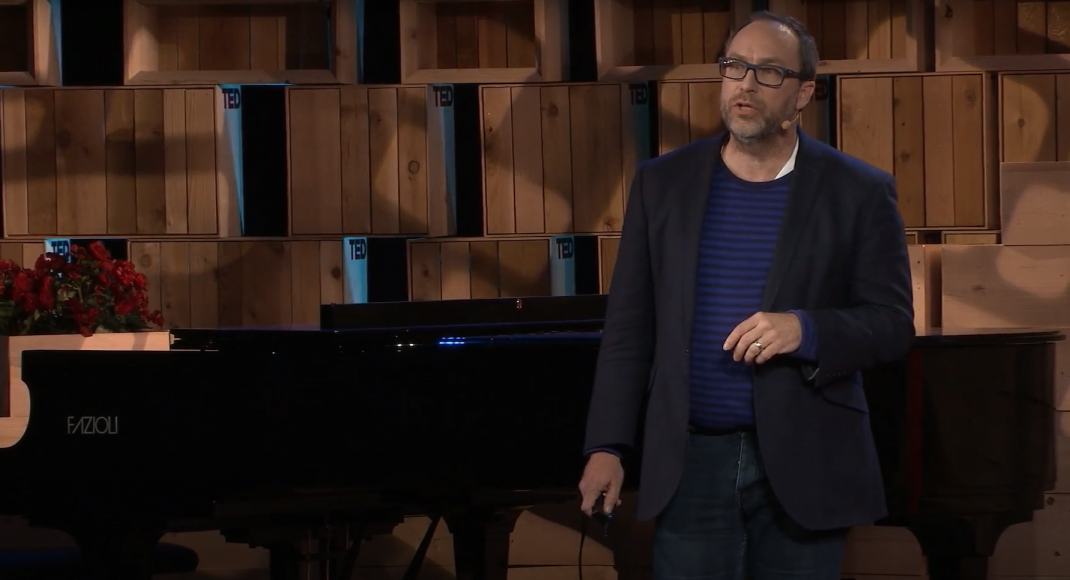
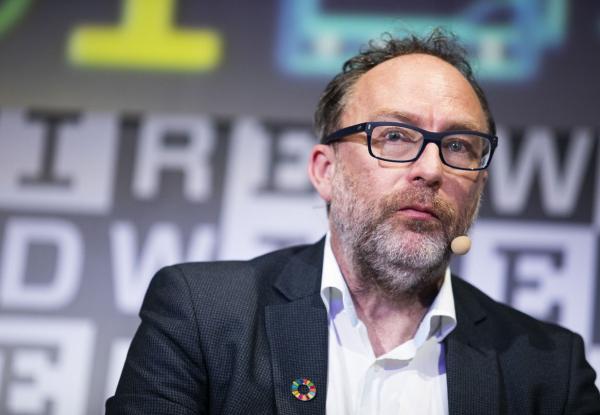
"Twitter is heel lang, heel slecht met Donald Trump omgegaan. Hij was duidelijk valse informatie aan het verspreiden, en hij was duidelijk brutaal tegen mensen."
- Jimmy Wales
Bij and& bouwen we aan een interdisciplinaire ruimte waar slimme koppen hun hoofd buigen over 21 vragen voor de 21e eeuw.
Pas met Donald Trump’s presidentsnominatie in 2016 leerden de meesten van ons het concept van ‘echo chambers’ en ‘fake news’ kennen. Inmiddels publiceert The Washington Post onder het motto 'Democratie sterft in de duisternis'. Iedereen die op zoek is naar de waarheid bewandelt tegenwoordig een behoorlijk hobbelig pad.
Kan innovatie ons helpen bij het beschermen van persvrijheid, en kan het bijgevolg betrouwbare media creëren? Sommige vrijheidsstrijders keren actief het tij, zoals Jimmy Wales, die 20 jaar geleden Wikipedia lanceerde. Met z’n nieuwe platform WikiTribune bewijst hij dat het ook mogelijk is om misleidende informatie online wel degelijk te verifiëren. Wales baant de weg voor empirisch onderbouwde journalistiek.
Op and& wordt hij bijgestaan door activiste Angela Washko. Washko is een artieste, schrijfster, en facilitator gewijd aan het creëren van nieuwe fora voor discussies over feminisme in omgevingen die er het meest vijandig tegenover staan.
Dan is er ook nog ‘legal tech’. Tegenwoordig heb je haast een advocaat nodig op het web, terwijl je zonder al te veel nadenken de algemene voorwaarden wegklikt. Gelukkig zijn er mensen zoals Peggy Valcke, die in de frontlinie staat om regeringen te adviseren over hoe AI-proof hun wetgeving is.
De line-up wordt vervolledigd door media-enthousiastelingen Chris Stokel-Walker en Dana Nastase, die ons op de hoogte zullen brengen van alle uitdagingen en ontwikkelingen in de industrie.
Nemen we in de 21e eeuw afscheid van de waarheid zoals we ze nu kennen?
Visual Literacy - Curated by M Leuven
We live in a post-truth world. We live in a post-fact world. We live in a visual world. We are defined by images. The digital age provides us with the tools to create, distribute and consume images like never before. As a result, images have more and more impact on our culture and psyche. However, images are not neutral; they carry meaning and influence us each time we look at them. If we would be able to analyse the visual, would we be more resilient toward these influences? If we could better understand the visual rhetoric behind Trump’s MAGA-hat and the storming of the Washington Capitol on January 6, could we be better equipped to defend ourselves against fake news?
Let’s think about how we can train ourselves to deal with the visual, how we can become, essentially, visually literate.
Maybe the world has always been post-truth and post-fact, and we are now just aware of that. If this were the case, then the images of the past can teach us a great deal about how the visual influences us today. And no better place to do this than in an art museum. M and KU Leuven have researched visual literacy through eye tracking, but also by inviting the visitor to give his/her own meaning to art instead of the museum telling you what to see.
Questions like what can art teach us about visual rhetorics and the idea of post-truth will be discussed in this panel session.
Moderated by Fredo De Smet
PRO Ticket
Toegang tot 100+ Conference talks
PRO+ Ticket
Toegang tot 100+ Conference talks en 20+ Summit talks