Is the truth still true?
Is the truth still true?


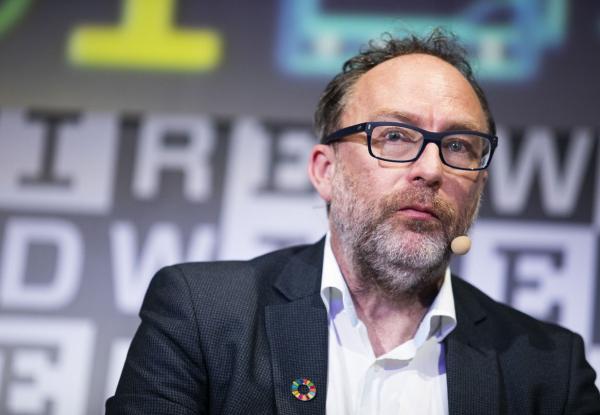
"Twitter did a poor job of dealing with Donald Trump for a very, very long time. He was clearly spreading disinformation, he was clearly being abusive to people."
- Jimmy Wales
At and&, we are building an interdisciplinary space where sharp minds bow their heads over 21 questions for the 21st century.
Only with the election of Donald Trump as the president of the USA in 2016, most of us learned about the concept of echo chambers and fake news. By now, The Washington Post publishes under the slogan ‘Democracy dies in darkness’. That puts everyone on the quest for truth on a very slippery road.
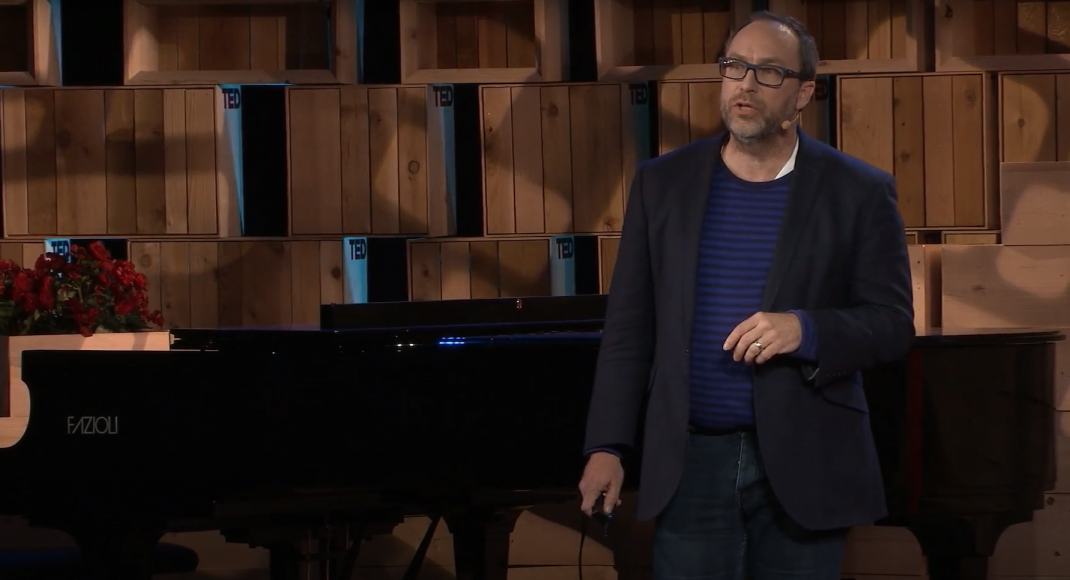
Can innovation help to protect freedom of the press, and create media that we trust? Some freedom fighters are actively turning the tide, like Jimmy Wales, who founded Wikipedia 20 years ago. With the platform WikiTribune, he now also proved it is possible to verify misleading information online. Wales is paving the path for evidence-based journalism.
On and&, he is also the wingman of powerful activist Angela Washko. She’s an artist, writer and facilitator devoted to creating new forums for discussions of feminism in the spaces most hostile toward it.
And then there’s legal tech. You almost need a lawyer to surf the internet these days, clicking away general conditions. Luckily there are people like our speaker Peggy Valcke, who stands in the front line to advice governments on how AI-proof their legislation is.
The line-up is completed by media enthusiasts Chris Stokel-Walker and Dana Nastase, who will fill us in on all the challenges and advancements in the industry.
In the 21st century, do we say goodbye to the truth as we know it?
Visual Literacy - Curated by M Leuven
We live in a post-truth world. We live in a post-fact world. We live in a visual world. We are defined by images. The digital age provides us with the tools to create, distribute and consume images like never before. As a result, images have more and more impact on our culture and psyche. However, images are not neutral; they carry meaning and influence us each time we look at them. If we would be able to analyse the visual, would we be more resilient toward these influences? If we could better understand the visual rhetoric behind Trump’s MAGA-hat and the storming of the Washington Capitol on January 6, could we be better equipped to defend ourselves against fake news?
Let’s think about how we can train ourselves to deal with the visual, how we can become, essentially, visually literate.
Maybe the world has always been post-truth and post-fact, and we are now just aware of that. If this were the case, then the images of the past can teach us a great deal about how the visual influences us today. And no better place to do this than in an art museum. M and KU Leuven have researched visual literacy through eye tracking, but also by inviting the visitor to give his/her own meaning to art instead of the museum telling you what to see.
Questions like what can art teach us about visual rhetorics and the idea of post-truth will be discussed in this panel session.
Moderated by Fredo De Smet
PRO Ticket
Access 100+ Conference Talks
PRO+ Ticket
Acces 100+ Conference Talks and 20+ Summit talks